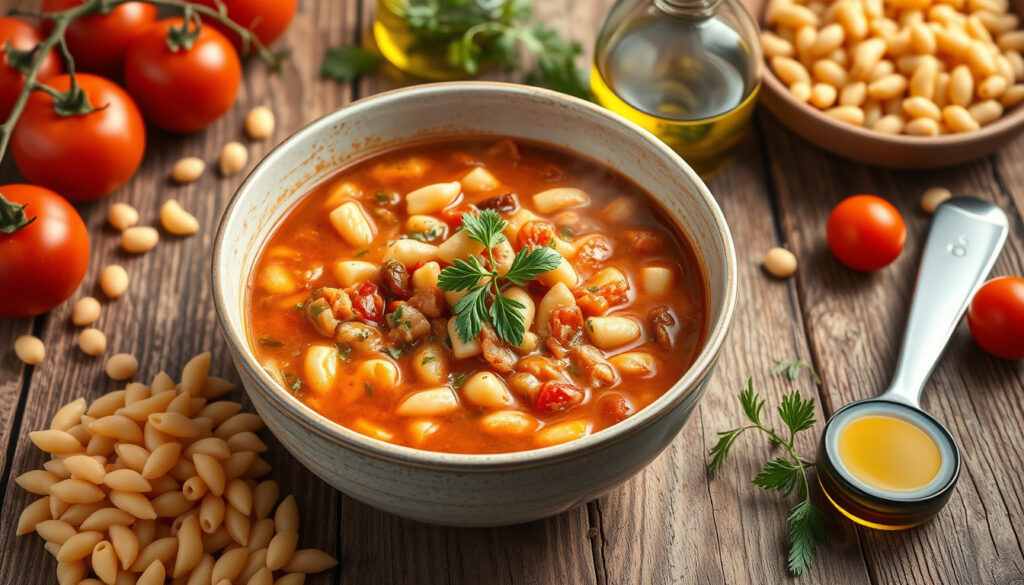
Pasta e Fagioli Soup – Authentic Recipe, History and Nutrition
What Is Pasta e Fagioli Soup?
Pasta e fagioli, which translates literally to “pasta and beans,” is a traditional Italian soup that has sustained generations of families across the Italian peninsula. This hearty dish combines tender beans with small pasta shapes in a savory broth, creating a nutritious and filling meal that has earned its place as one of Italy’s most beloved comfort foods.
As a cornerstone of cucina povera—Italian peasant cuisine—pasta e fagioli represents the ingenuity of rural communities who transformed simple, affordable ingredients into satisfying dishes. The recipe typically features cannellini beans paired with pasta like ditalini or elbow macaroni, simmered in a broth enriched with olive oil, onions, garlic, and herbs such as rosemary and parsley. Some variations include tomatoes, carrots, celery, or spinach, while others add pancetta or prosciutto for additional depth of flavor.
The dish occupies a unique position in Italian food culture. Once exclusively eaten by working-class families, it now appears on tables across all social classes, from humble home kitchens to upscale restaurants. While traditionally served as a soup with abundant broth, many prefer a thicker, almost stew-like consistency that coats each piece of pasta.
Key Facts About Pasta e Fagioli
- Originated as a peasant dish in rural Italy, representing the resourceful cooking of cucina povera
- Now eaten across all social classes, from family kitchens to fine dining establishments
- High protein content from beans makes it a filling and nutritious meal option
- Regional variations exist throughout Italy, with some areas omitting pasta entirely
- Freezes well, making it convenient for meal preparation
- Commonly served during winter months as a warming comfort food
- Italian immigrants brought adapted versions to the United States, where it became known as “pasta fazool”
| Attribute | Details |
|---|---|
| Typical Calories per Serving | Approximately 400 calories |
| Protein Content | Around 15 grams per serving |
| Primary Origin | Central Italy, with regional variations nationwide |
| Traditional Herbs | Rosemary, sage, parsley |
| Common Bean Types | Cannellini, Borlotti, sometimes cranberry beans |
| Pasta Shapes Used | Ditalini, elbow macaroni, small shells |
| Typical Seasoning | Olive oil, salt, black pepper, red chili flakes |
| Serving Style | Soup with broth or thick stew-like consistency |
In parts of southern Italy, particularly in Naples, the dish is commonly referred to as “pasta fazool”—a phonetic adaptation of the Italian pronunciation. This term became especially popular among Italian-American communities and appears in the famous Dean Martin song “That’s Amore.”
Classic Pasta e Fagioli Recipe
Preparing authentic pasta e fagioli requires patience and quality ingredients. The process begins by sautéing aromatics in olive oil, building the foundation of flavor that defines this dish. Traditional recipes call for pancetta or guanciale, though many modern versions keep the dish vegetarian.
Traditional Preparation Method
The classic approach starts with rendering pancetta in a large pot, followed by softened onions and minced garlic. Crushed tomatoes or tomato paste are then added to create the base, along with soaked or canned cannellini beans. Fresh herbs like rosemary and sage go into the pot, and the mixture simmers slowly to allow flavors to meld.
About 20 minutes before serving, dried pasta is added directly to the simmering broth. This technique allows the pasta to release starches that naturally thicken the soup while absorbing the savory liquid. Some cooks reserve a portion of the beans and mash them to create additional body.
Ingredient Variations
Regional preferences significantly influence the recipe. In Veneto, the dish often includes potatoes alongside beans and pasta, reflecting local agricultural traditions. Some families add leftover bread to thicken the broth, while others incorporate heavy cream or Parmesan rind for richness.
For those exploring Tuscan bean soup variations, substituting different bean varieties like Borlotti or cranberry beans offers subtle changes in texture and flavor. Vegetarians can omit the pancetta entirely, relying on extra virgin olive oil and vegetables to create depth.
For the best texture, add the pasta during the last 15-20 minutes of cooking. Overcooked pasta becomes mushy, while properly timed pasta retains a slight bite and releases starch that naturally thickens the broth.
Is Pasta e Fagioli Healthy?
Pasta e fagioli offers considerable nutritional benefits, particularly when prepared with traditional methods that prioritize beans and vegetables over processed ingredients. The dish provides a balanced combination of complex carbohydrates from pasta and beans, along with fiber, protein, and essential micronutrients.
Nutritional Profile
A typical serving of pasta e fagioli contains approximately 400 calories, making it a substantial yet reasonable meal option. The beans contribute roughly 15 grams of protein per serving, along with significant amounts of dietary fiber that support digestive health and help maintain stable blood sugar levels.
The use of olive oil as the primary fat source adds heart-healthy monounsaturated fats and antioxidant compounds. When prepared without excessive salt or fatty meats, the dish fits well into balanced dietary approaches. The tomato base provides lycopene and vitamin C, while herbs like rosemary offer additional antioxidant properties.
Vegetarian Adaptations
Creating a vegetarian version of pasta e fagioli maintains the dish’s nutritional integrity. Omitting pancetta or prosciutto reduces saturated fat content while preserving the protein from beans. Adding extra vegetables such as leafy greens, carrots, or celery increases the vitamin and mineral density.
Those following a gluten-free diet should note that traditional pasta e fagioli contains wheat pasta. Substituting with gluten-free pasta varieties allows individuals with celiac disease or gluten sensitivity to enjoy this dish while maintaining the authentic character.
Origins and History of Pasta e Fagioli
The history of pasta e fagioli stretches back centuries, though pinpointing its exact origin remains challenging. The dish evolved gradually across the Italian peninsula, with different regions developing their own interpretations based on local ingredients and traditions.
Ancient Roman Roots
Beans and grain combinations have ancient precedents in Mediterranean cooking. During the Roman Empire, a dish similar to pasta e fagioli was commonly prepared using black-eyed peas, which were imported from West Africa. This early version represented the same philosophy of combining affordable protein sources with carbohydrates to create filling, economical meals.
The transformation of pasta e fagioli into its recognizable modern form occurred after Christopher Columbus’s voyages brought American beans to Europe. Pope Clement VII introduced these new varieties around 1528, first in Tuscany and the Papal States, then spreading to Veneto where beans began being cultivated in the countryside around Belluno.
Initially, American beans like Borlotti and Cannellini were expensive luxuries served exclusively to wealthy families. Poor families continued relying on black-eyed peas for generations. Only over time, as bean cultivation expanded and prices decreased, did American beans become accessible to all social classes, eventually replacing black-eyed peas in most preparations.
Regional Significance
Venetian pasta e fagioli holds particular historical importance in Italian culinary tradition. In Veneto, the dish became strongly connected with the ritual of pig slaughter on January 17th, the feast of Sant’Antonio Abate. Farmers would use cheap cuts of pork—trotters, rinds, and other leftover parts—to flavor the soup, combining them with beans and potatoes.
This practice emerged from practical necessity. Farmers required inexpensive, filling meals to sustain them through demanding workdays, and the combination of beans, pasta, and preserved pork provided both nutrition and satisfaction. The tradition of using every part of the animal reflected the resourcefulness central to peasant cooking philosophy.
Theories of Origin
While the dish’s exact origins remain debated, several theories attempt to explain its creation. One popular account suggests Italian sailors developed the recipe during extended voyages, using beans and pasta to create hearty stews that would sustain crews during long journeys. Another theory proposes that Italian monks cultivated beans and pasta in monastery gardens, creating nutritious meals for their communities.
These competing narratives reflect the difficulty of tracing dishes that existed primarily in oral tradition, passed down through generations of home cooks rather than recorded in formal documents. What historians can confirm is that by the 19th century, pasta e fagioli had become firmly established across Italy, with documented recipes appearing in regional cookbooks.
Italian immigrants to the United States adapted pasta e fagioli to locally available ingredients, often substituting canned beans for dried varieties and adjusting seasonings to match American preferences. This evolution produced the distinctly Italian-American version known as pasta fazool, which gained widespread recognition through popular culture references.
Timeline: The Evolution of Pasta e Fagioli
- Ancient Period: Roman Empire era sees early versions of bean and grain dishes using black-eyed peas imported from West Africa
- Early 16th Century: American beans arrive in Europe following Columbus’s voyages; Pope Clement VII introduces new varieties around 1528
- Mid-16th Century: Bean cultivation spreads to Veneto; American beans initially reserved for wealthy tables
- 17th-18th Centuries: Beans become more accessible; pasta e fagioli evolves into recognizable modern form with pasta and American beans
- 19th Century: Documented recipes appear in regional Italian cookbooks; dish firmly established across peninsula
- Early 20th Century: Italian immigration brings dish to United States; adaptation begins using available American ingredients
- Mid-20th Century: Post-WWII Italian-American community popularizes “pasta fazool” terminology
- Present Day: Dish enjoyed worldwide; both traditional recipes and modern adaptations thrive in restaurants and home kitchens
What We Know Versus What Remains Uncertain
| Established Information | Uncertain or Debated Points |
|---|---|
| Pasta e fagioli originated as peasant food in rural Italy | Exact region or community where dish first appeared |
| Modern version developed after American beans arrived in 16th century | Specific circumstances of bean adoption into the recipe |
| Regional variations developed throughout Italy over centuries | Which region created the “authentic” original version |
| Black-eyed peas used before American beans became common | Precise timeline of transition from black-eyed peas to cannellini beans |
| Monk and sailor origin stories exist in folk tradition | Whether these stories reflect actual historical events |
| No-meat versions are authentic in certain regions | Whether meat was originally essential or optional |
Cultural Significance of Pasta e Fagioli
Pasta e fagioli embodies the philosophy of cucina povera, which celebrates resourcefulness and the transformation of humble ingredients into nourishing meals. This cooking tradition developed not from creativity alone but from necessity, as rural families sought to maximize nutrition while minimizing cost.
The dish’s journey from poverty food to universally beloved comfort food reflects broader changes in Italian society and global food systems. As beans became more affordable and accessible, pasta e fagioli shed its association with economic hardship and emerged as a dish transcending class boundaries.
Today, pasta e fagioli serves as a connection to heritage for Italian families around the world. The recipe carries memories of grandmothers’ kitchens and family gatherings, evoking nostalgia while remaining relevant to contemporary tastes. Restaurants from neighborhood trattorias to Michelin-starred establishments include the dish, demonstrating its enduring appeal.
Sources and Expert Perspectives
“Pasta e fagioli represents the genius of Italian peasant cooking—taking simple, affordable ingredients and transforming them into something deeply satisfying and nutritious.”
— Culinary historians documenting Italian regional cuisine traditions
The evolution of pasta e fagioli from working-class staple to international comfort food illustrates how food carries cultural meaning beyond mere sustenance. Italian food historians have extensively documented regional variations, noting how local ingredients and traditions shaped different interpretations of the dish.
Documentation of pasta e fagioli appears in regional Italian cookbooks dating to the 19th century, though earlier references to bean and grain combinations exist in historical texts. Contemporary Italian culinary organizations continue to preserve and promote traditional preparations, ensuring that authentic recipes remain accessible to future generations.
Summary
Pasta e fagioli stands as a testament to Italian culinary ingenuity, transforming simple beans and pasta into a dish that has nourished families for centuries. From its ancient Roman predecessors to modern interpretations, this soup reflects the resourcefulness of cucina povera while appealing to contemporary palates across all social classes.
The dish’s rich history encompasses regional variations, adaptation by immigrant communities, and ongoing appreciation in restaurants worldwide. Whether prepared traditionally with pancetta or as a vegetarian comfort food, pasta e fagioli continues to serve as a connection between past and present, between Italian heritage and global food culture. For those seeking authentic Italian soup recipes, exploring different regional approaches reveals the remarkable versatility underlying this seemingly simple dish.
Frequently Asked Questions
What type of beans work best for pasta e fagioli?
Cannellini beans are the traditional choice, offering a creamy texture and mild flavor. Borlotti beans provide a slightly earthier taste, while cranberry beans offer a delicate flavor. All work well in this dish.
Can I use different pasta shapes for this soup?
Small pasta shapes like ditalini, elbow macaroni, or small shells work best as they cook quickly and distribute evenly throughout the soup. Larger shapes may remain unevenly cooked.
What is the difference between pasta e fagioli and minestrone?
While both are Italian bean and vegetable soups, minestrone typically contains a wider variety of vegetables and often includes zucchini, cabbage, and other greens. Pasta e fagioli focuses specifically on the bean and pasta combination with fewer vegetable types.
How should I store leftover pasta e fagioli?
Refrigerate in an airtight container for up to four days. Note that pasta absorbs broth over time, so you may need to add water when reheating to achieve desired consistency.
Can pasta e fagioli be frozen successfully?
Freeze the soup without pasta for best results. Cooked pasta becomes mushy when frozen and reheated. Add freshly cooked pasta when serving frozen soup portions.
Is pasta e fagioli typically served as a first or main course?
In Italy, this varies by region. In the north, it often appears as a substantial first course. In southern regions, particularly as a peasant meal, it may constitute the entire main dish.
What wine pairs well with pasta e fagioli?
A light Italian red wine such as Chianti or Montepulciano complements the dish well. For white wine preferences, a dry Pinot Grigio can work with lighter vegetarian versions.
More related posts
 Fast and Furious Movies in Order: Complete Viewing Guide
 Demon Slayer Infinity Castle Release Date: When Does It Come Out
 Pantone Color of the Year 2026: Cloud Dancer Explained
 Washer and Dryer in One: Pros, Cons & Is It Worth It
 Dog Parks Near Me in Ireland: Off-Leash, Private, & Rules
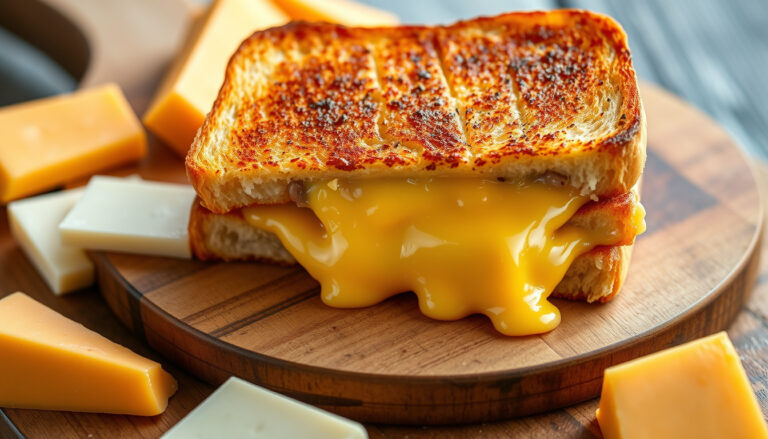 Best Cheese for Grilled Cheese – Top Melters and Expert Tips
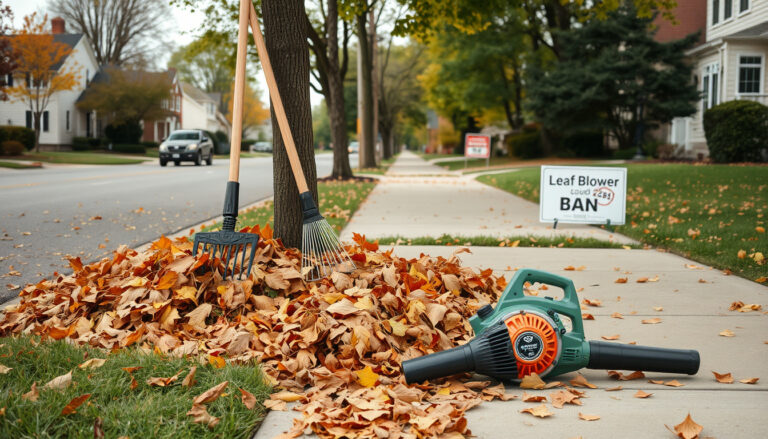 Arlington Gas Leaf Blower Ban 2026: Rules, Timeline, and Guidance
 How to Clean a Toaster: Safe Steps Inside & Out
